

Tomato powder protects athletes better during intensive exercise than lycopene
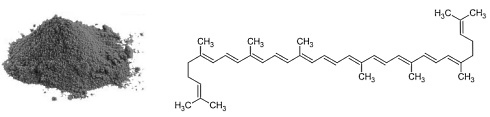
A supplement with lycopene, a carotenoid in tomato, protects the body of athletes against aggressive molecules released during intensive exercise. That's good of course. But even better is the protective effect of ordinary tomato powder.
[FONT="]
[/FONT]
[FONT="]
[/FONT]
Study
Researchers from Shahrood University of Technology in Iran got 11 well-trained male athletes to run on 3 separate occasions until they literally couldn't anymore. On one occasion the subjects had taken a placebo every day the week before the session, on another occasion a supplement containing 30 milligrams of lycopene, and on yet another occasion 60 grams of tomato powder.
60 grams of tomato powder amounts to 4 large tablespoons.
[TABLE="width: 150, align: right"]
[TR]
[TD="align: right"][/TD]
[/TR]
[/TABLE]
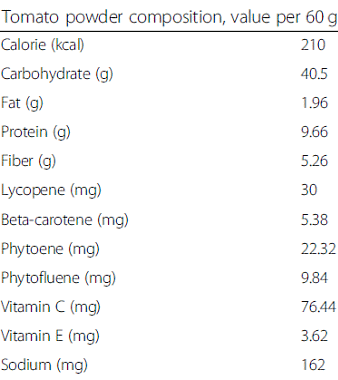
60 grams of tomato powder also contains 30 milligrams of lycopene - plus a number of other substances, such as beta-carotene, phytoene, phytofluene and vitamins C and E.[FONT="]
[/FONT]
[FONT="]
[/FONT]
Before and after the session, the researchers measured the concentration of MDA and 8-isoprostane in the athletes' blood. MDA and 8-isoprostane are both markers of the activity of aggressive molecules - free radicals - that are released during intensive exercise. The higher their concentration, the greater the damage to cells and tissues.
Results
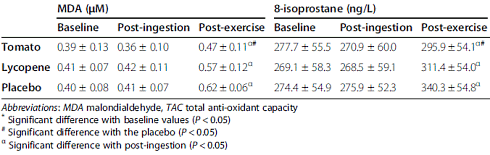
The table below shows that tomato powder reduced the increase in MDA and 8-isoprostane due to intensive exercise compared to the placebo group, but lycopene did not.
Click on the table below for a larger version.
[FONT="]
[/FONT]
[FONT="]
[/FONT]
Conclusion
"It may be assumed that longer durations of administration of synthetic lycopene may be more effective to alleviate exercise-induced lipid peroxidation, however this concept has not been explored", write the researchers.
"Short-duration supplementation with tomatoes and tomatoes products may provide a stronger antioxidative effect in comparison to lycopene."
"Thus, it may be concluded that beneficial effects of tomato powder on antioxidant capacity and exercise-induced lipid peroxidation might be brought about by the synergistic interaction of lycopene with other bioactive components. This shows that whole tomato contains chemical compounds that can enhance beneficial outcomes in synergy compared to a single compound."
Source:
J Int Soc Sports Nutr. 2021 Feb 27;18(1):17.
A supplement with lycopene, a carotenoid in tomato, protects the body of athletes against aggressive molecules released during intensive exercise. That's good of course. But even better is the protective effect of ordinary tomato powder.
[FONT="]
[/FONT]
[FONT="]
[/FONT]
Study
Researchers from Shahrood University of Technology in Iran got 11 well-trained male athletes to run on 3 separate occasions until they literally couldn't anymore. On one occasion the subjects had taken a placebo every day the week before the session, on another occasion a supplement containing 30 milligrams of lycopene, and on yet another occasion 60 grams of tomato powder.
60 grams of tomato powder amounts to 4 large tablespoons.
[TABLE="width: 150, align: right"]
[TR]
[TD="align: right"][/TD]
[/TR]
[/TABLE]
60 grams of tomato powder also contains 30 milligrams of lycopene - plus a number of other substances, such as beta-carotene, phytoene, phytofluene and vitamins C and E.[FONT="]
[/FONT]
[FONT="]
[/FONT]
Before and after the session, the researchers measured the concentration of MDA and 8-isoprostane in the athletes' blood. MDA and 8-isoprostane are both markers of the activity of aggressive molecules - free radicals - that are released during intensive exercise. The higher their concentration, the greater the damage to cells and tissues.
Results
The table below shows that tomato powder reduced the increase in MDA and 8-isoprostane due to intensive exercise compared to the placebo group, but lycopene did not.
Click on the table below for a larger version.
[FONT="]
[/FONT]

[FONT="]
[/FONT]
Conclusion
"It may be assumed that longer durations of administration of synthetic lycopene may be more effective to alleviate exercise-induced lipid peroxidation, however this concept has not been explored", write the researchers.
"Short-duration supplementation with tomatoes and tomatoes products may provide a stronger antioxidative effect in comparison to lycopene."
"Thus, it may be concluded that beneficial effects of tomato powder on antioxidant capacity and exercise-induced lipid peroxidation might be brought about by the synergistic interaction of lycopene with other bioactive components. This shows that whole tomato contains chemical compounds that can enhance beneficial outcomes in synergy compared to a single compound."
Source:
J Int Soc Sports Nutr. 2021 Feb 27;18(1):17.
